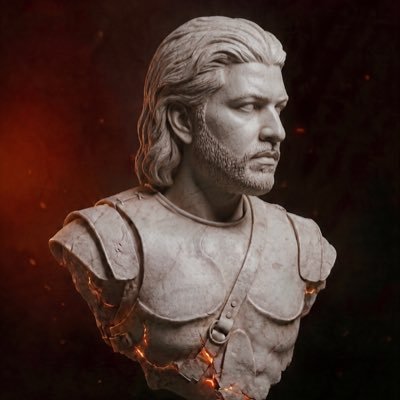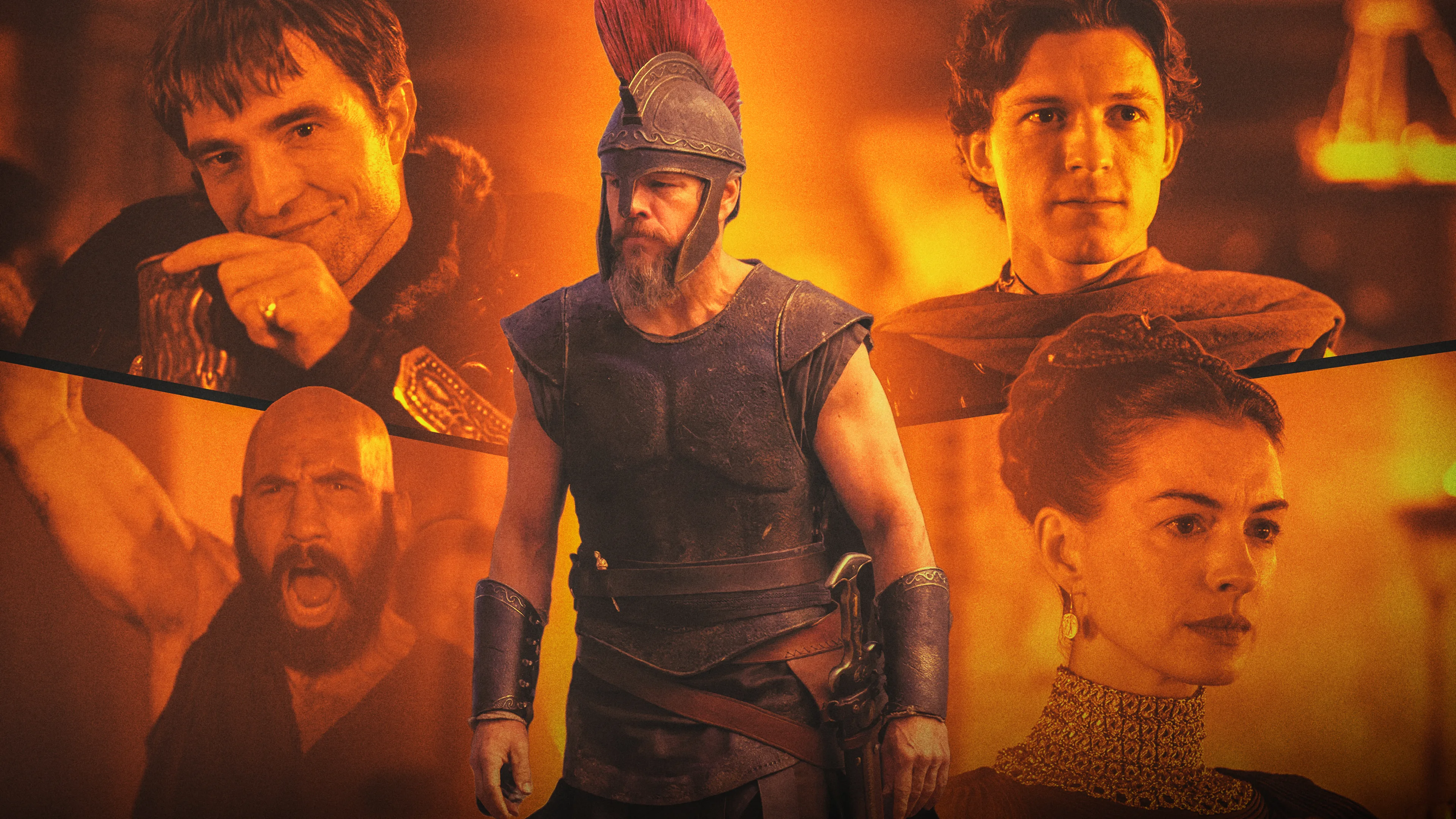
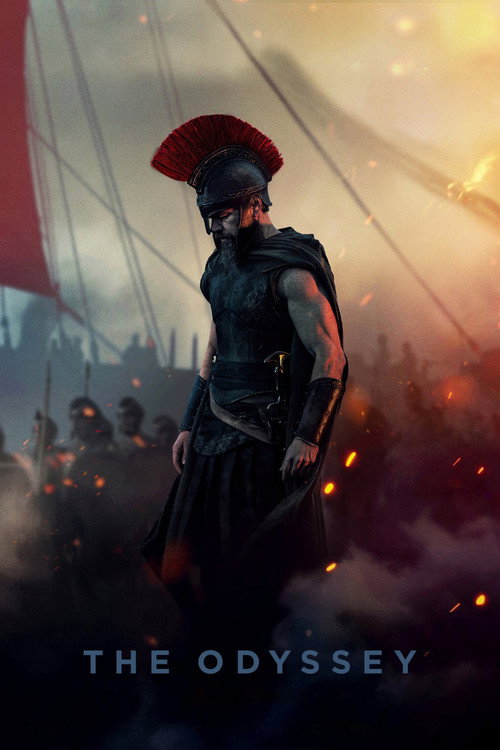
Not only does Christopher Nolan continue to defy the gods — he's officially become one himself. With The Odyssey, the director hasn't just cleared the bar he set with Oppenheimer; he's launched clean over it, delivering a film that outdoes it in cast size, technical ambition, and pure scale. If you thought Nolan had already peaked, this is the movie that politely proves you wrong.
The Biggest Cast We've Ever Seen
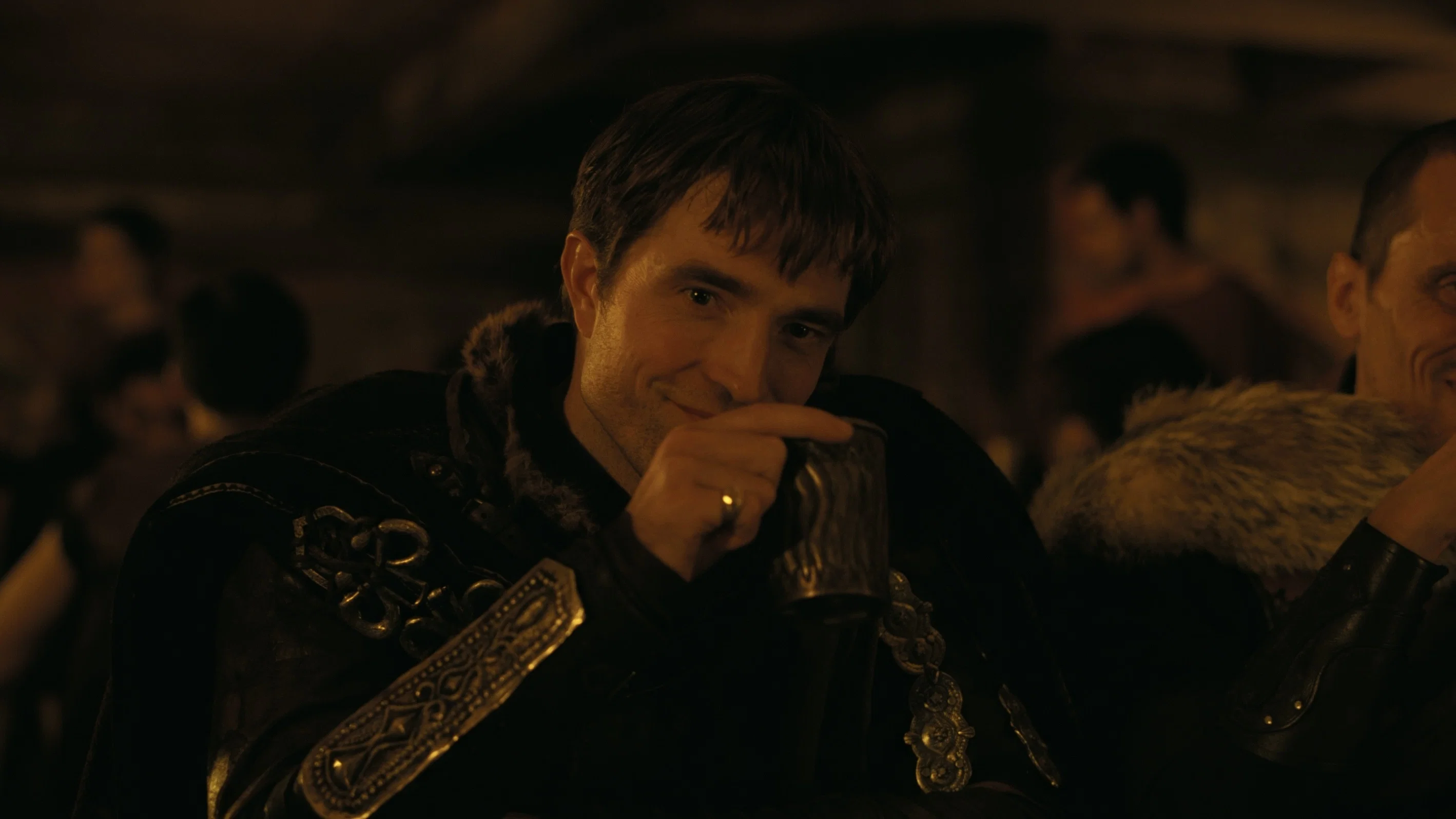
Oppenheimer already boasted the largest ensemble Nolan had ever assembled — and somehow The Odyssey dwarfs it. There are so many names it's genuinely impossible to list them all, but the shape of it tells you everything: Matt Damon leads as Odysseus, surrounded by Zendaya, Tom Holland, Anne Hathaway, Travis Scott, Robert Pattinson, Charlize Theron, Jon Bernthal, Elliot Page, Mia Goth, and Benny Safdie. And the list keeps going. It's the kind of roster that used to be reserved for once-a-decade event films.
What makes it even more staggering is the turnaround. Nolan is famous for focusing on one story at a time — he wasn't secretly drafting The Odyssey while making Oppenheimer. He finished that film first, then looked at Homer's epic and decided to write his own iteration, in his own plain-spoken American language. From there to release: roughly three years, which has to be a personal record. And remember, this is an original film. He's not contractually bound the way he was on The Dark Knight. He's a free agent who could have taken a long, well-earned break after Oppenheimer — and instead he banged out one of the best movies of his career.
Answering the Critics
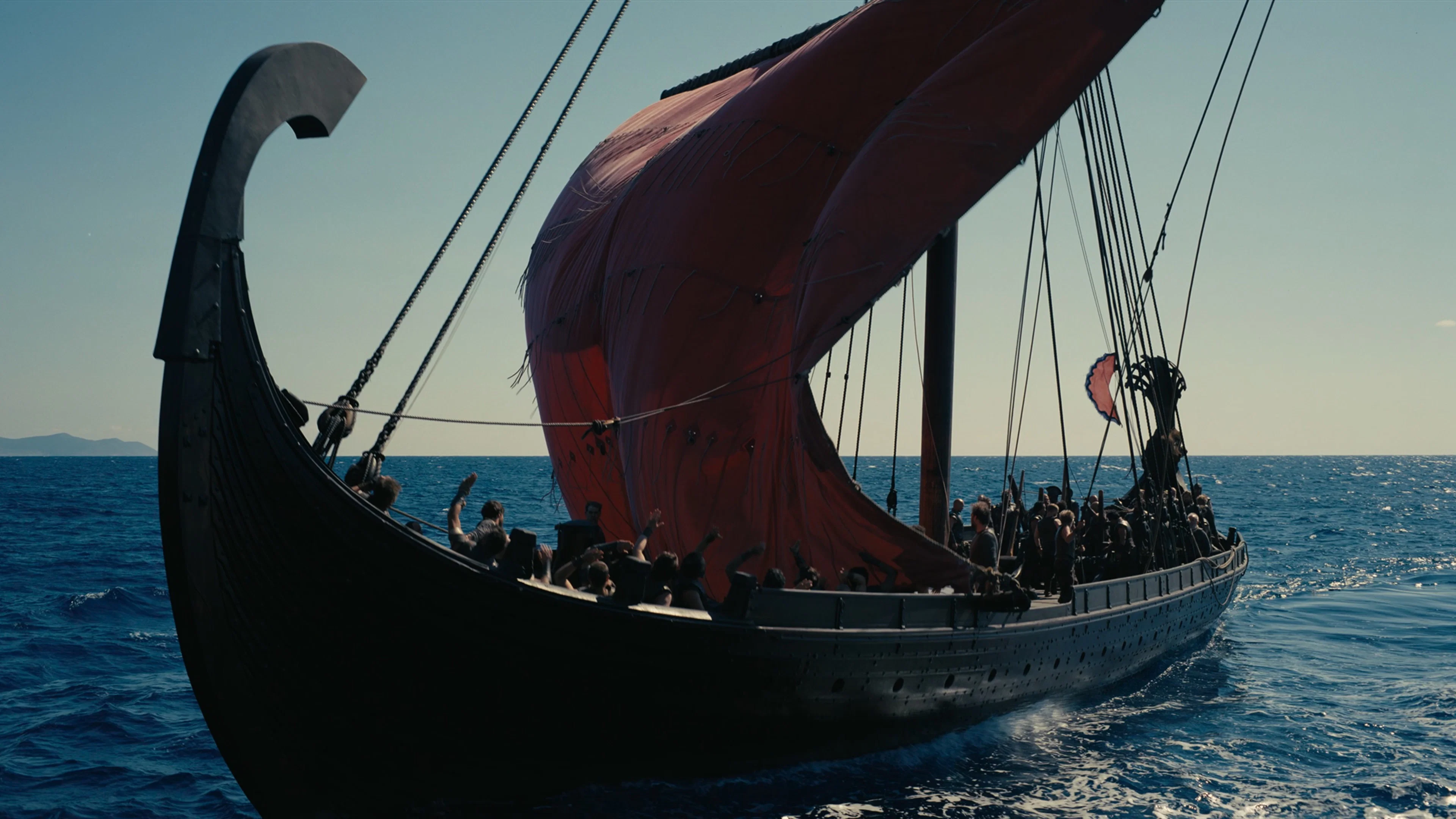
There's been online noise about Nolan's choices — the wardrobe, the language, the so-called "inaccuracies." Take it all with a grain of salt. This is adapted from a book, not a true story; these are fictitious characters, and Nolan is well within his rights to do his own version. He isn't interested in race or gender or ticking boxes — he simply wants to tell a good story that feels timeless, and that's exactly what he delivers. It's a choice worth respecting, and it pays off completely.
For all the hype — and it was bigger than the Oppenheimer hype, which is saying something — Nolan knows precisely what he's doing. He's been marketing this film for over a year. (Compare that to the five-month sprint behind Avengers: Doomsday — mark your days.) Longtime fans will remember that very first teaser: Matt Damon floating on a board in the open ocean. That scene is in the film, but here's a fun bit of trivia — that specific shot isn't. It's an alternate angle that never made the final cut.
A Technical Marvel
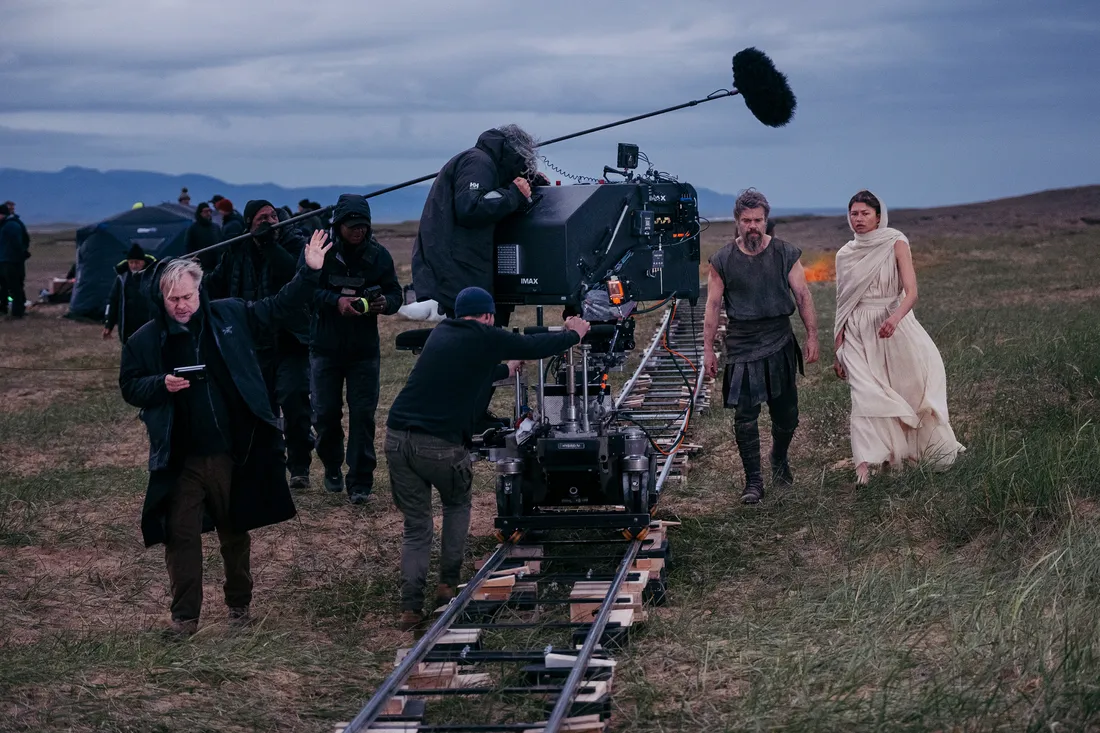
This is the first film shot entirely in IMAX — every single shot, every sequence, no exceptions. If your biggest gripe with Nolan was always those jarring aspect-ratio switches, consider it fixed. There's no weird "Michael Bay ratio change" pulling you out of the moment; this is the most consistent-looking film ever made, and you can feel the love and care poured into every frame.
That was only possible because IMAX technology has finally been refined. Those cameras are famously loud, but the team has learned to isolate the sound and make the rigs quieter, smaller, and easier to manage — quiet enough now to capture intimate, dialogue-heavy scenes in full IMAX glory. The one catch: the film reel physically couldn't fit any more on the display rack, so the movie clocks in at a lean-and-mean two hours and fifty minutes. Nolan reportedly wanted it longer, and the industry is already working on enlarging the format so he can one day make true three-hour IMAX epics. For now, 2:50 is honestly the sweet spot — I didn't get up once. I was locked in my seat the entire time.
And the scale is real, not rendered. Where other films fill the distance with weightless CGI crowds, Nolan uses a record-breaking number of practical extras. The world has mass and texture, and paired with genuinely breathtaking locations, the whole journey carries the sweep of Lawrence of Arabia. The sound design is remarkable and the score is breathtaking — pulse-pounding stuff that kept my heart racing the whole way through.
Not Your Typical Nolan Film
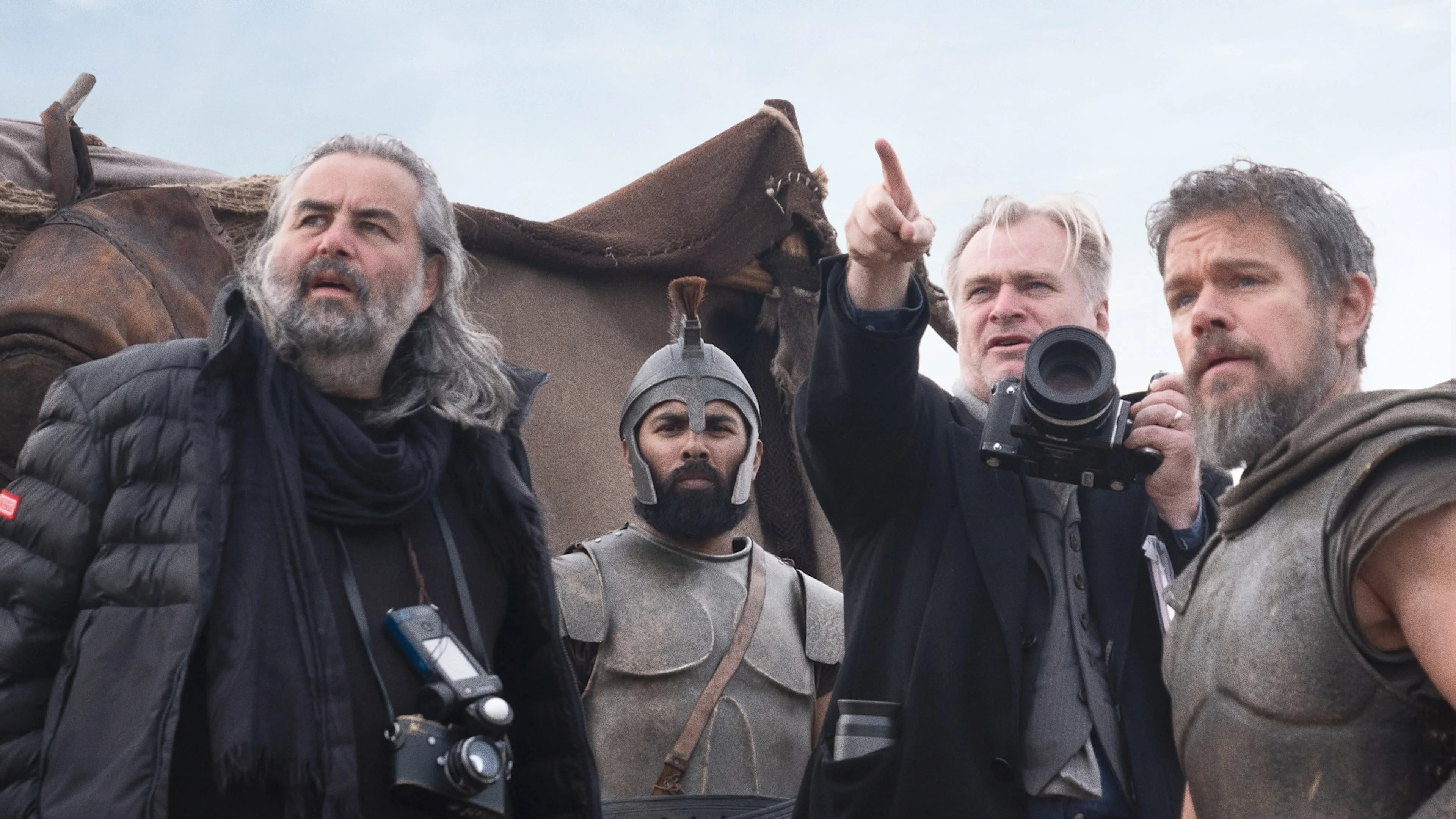
This isn't a Nolan film in the shape you expect. There's no big opening action sequence, no crazy title card, no synth-wave hook — the movie simply starts, and from the first second it's go, go, go. The action is there, but this is not an action film. If anything, it's the closest Nolan has ever come to horror: there were moments that turned my stomach and had me looking away from the screen. After this, I'd love to see him make something genuinely terrifying.
It's also his most linear story to date. For anyone who's ever hidden behind "I just can't follow a Nolan movie," you're out of excuses. The plot is clean and cut-and-dry: Odysseus has fought for his people for years and wants nothing more than to get home — but the gods are against him, and so are his own mutinous men. The only real complexity is visual, in Nolan's beloved flashes to the past and future as characters recount their lives, a trait he's carried since Memento and Insomnia. This is Nolan playing to every one of his strengths at once.
The Moments That Stay With You
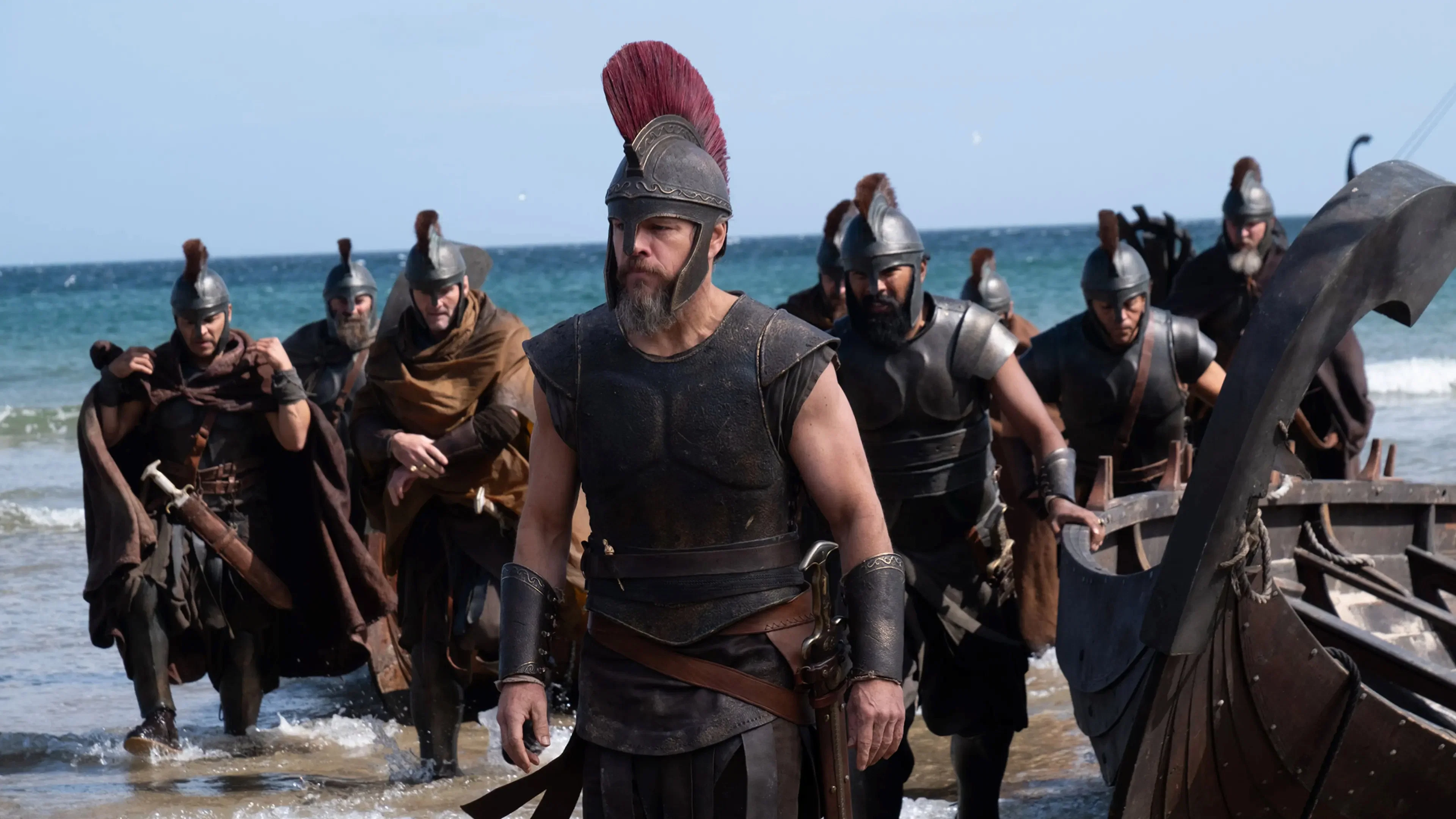
A few sequences will live in your head for weeks. The Cyclops scene is a standout — staged entirely in a pitch-dark cave, eerie and tense, with a creature design that finally rethinks the monster. Instead of the lazy uncanny-valley approach of just enlarging a single eyeball (looking at you, Percy Jackson and Clash of the Titans), the design twists the eye and smears the nose into something deformed yet unmistakably human in its skin and texture. It looks tangible — like you could reach out and touch it, like you could smell the stink of the cave.
Then there's the witch. Without spoiling it, her encounter with the travelers is flat-out terrifying — a stomach-twisting, powerfully acted set-piece carried by incredible effects. My one small gripe is that the film seems to undo the consequences of that moment shortly after, and I'm a sucker for consequences that stick. But the scene itself is so strong it's hard to complain.
And I have to single out Elliot Page. Wow. Right in the middle of the film, at what feels like the very peak of the mountain, Page delivers a monologue to Matt Damon's Odysseus that had me on the edge of my seat. It just keeps building and building. Damon and Tom Holland give some of the strongest performances of the whole ensemble — no disrespect to Pattinson, Hathaway, and the rest, who all get their own powerful moments — but that monologue is proof of how far Nolan has come as a filmmaker.
The Verdict
The final act took my breath away — and I was thrilled when the audience, dead silent and locked in for the entire runtime, broke into spontaneous applause as it ended. That doesn't happen by accident.
This is Nolan's Lord of the Rings: an epic journey that anyone else would have milked into two or three franchise installments, condensed instead into one complete, page-to-screen story. I have no doubt Homer himself would be proud of it. It's technically groundbreaking, emotionally gripping, and built on a foundation of real, tangible craft — the work of a director and a hand-picked team operating at the absolute top of their game.
The Odyssey is going to be one of the biggest films of the summer, and you owe it to yourself to see it immediately — in IMAX, on the tallest screen you can find. It's shot for that format, and there's simply no other way to experience it.